
Introduction
Virtual Private Networks (VPNs) are the darlings of YouTube sponsorships, promising digital invisibility and total security. But as the market becomes saturated, a critical question arises: Do we actually trust the product, or just the person selling it?
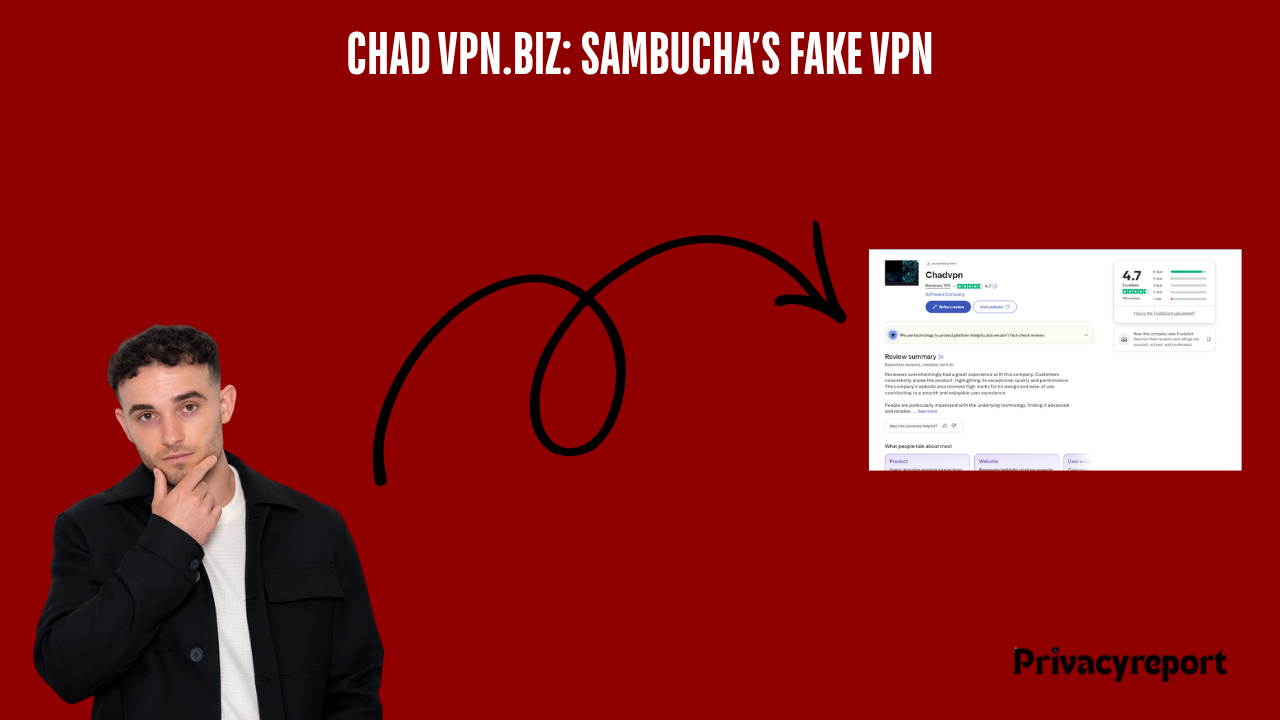
YouTube creator Sambucha decided to find out. Through his “Chad VPN” social experiment, he created a fake, meme-based product to see if influencers and viewers could be lured into a cybersecurity trap. What started as a joke revealed a frightening reality about influencer marketing and the fragility of internet trust.
Who is Sambucha? The Mind Behind the Experiment
Sambucha is a prominent YouTuber known for deep dives into internet subcultures and psychological experiments. With a knack for exposing how humans interact with digital systems, his content often bridges the gap between entertainment and social commentary.
In his Chad VPN experiment, Sambucha shifted his focus to the “Sponsorship Economy,” testing whether the very people we look to for tech advice are actually doing their homework.
What is Chad VPN? Anatomy of a Meme Brand
“Chad VPN” was never a functional piece of software. It was a “vaporware” brand built on internet tropes.
- The Branding: Using the “Gigachad” meme—symbolizing peak masculinity and confidence—Sambucha created a brand that felt familiar to Gen Z and Alpha audiences.
- The Psychology: By using humor, the brand bypassed the “skepticism filter” many users have for corporate ads. It felt like an “inside joke,” making it feel safer than it actually was.
How the Fake VPN Was Built
To make the experiment realistic, Sambucha utilized several accessible digital tools:
- AI Branding: Generated logos and copy using AI.
- Wix Website: A simple landing page with no actual “Download” or “Login” functionality.
- Fake Identity: Created a persona named “Trevor” to act as the outreach manager.
- The “Smoking Gun”: He listed the White House address as the company headquarters—a red flag that should have stopped any professional in their tracks.
The Influencer “Blind Test”: Results & Revelations
Sambucha reached out to approximately 100 YouTubers to offer paid sponsorships for Chad VPN. The results were a wake-up call for the creator economy.
1. The Response Rate
While the majority of creators ignored the cold email, 6% engaged in negotiations. Several moved straight to pricing, quoting between $300 and $1,500 for a dedicated shoutout without ever asking for a demo of the software.
2. The Promotion Phase
The most shocking outcome? Two influencers actually published videos promoting Chad VPN. * Zero Due Diligence: The creators read scripts claiming the service had “military-grade encryption” and “global servers.”
- Visual Proof: One creator even filmed themselves scrolling through the empty website, ignoring the fake address and the lack of a “Terms of Service” page.
Why This Matters: The Dangers of “Ghost” VPNs
The Chad VPN experiment isn’t just a funny YouTube story; it highlights a massive security loophole. If a malicious actor (rather than a YouTuber) created a fake VPN, the consequences would be dire:
- Data Harvesting: A fake VPN acts as a “Man-in-the-Middle,” seeing every site you visit and every password you type.
- Malware Distribution: “Downloading” a fake VPN is the easiest way to install a Trojan horse on your device.
- Identity Theft: Most fake VPNs require an email or payment info, which is then sold on the dark web.
How to Spot a Fake VPN: A Checklist for Users
Before you trust an influencer’s recommendation, run the VPN through this Trust Audit:
| Feature | Legitimate VPN (e.g., Nord, Express, Mullvad) | Fake/Suspicious VPN |
| Audit | Independent 3rd-party security audits. | No mention of audits or “self-verified.” |
| Transparency | Clear “No-Logs” policy and physical address. | Vague privacy claims; fake or hidden address. |
| Functionality | Offers a trial or clear UI screenshots. | Only “Join Now” or “Pre-order” buttons. |
| History | Long-standing reputation in tech forums. | Brand appeared overnight with no footprint. |
Final Verdict: Can You Trust Influencer Recommendations?
The Sambucha Chad VPN experiment proves that “looking professional” is often enough to bypass human intuition.
The Lesson: Never let an influencer be your only source of truth for security software. Always cross-reference recommendations with dedicated tech review sites like PCMag, CNET, or The Verge. In the world of cybersecurity, if a product sounds like a meme, it might just be a trap.
Frequently Asked Questions (FAQ)
Is Chad VPN real?
No, Chad VPN was a social experiment created by YouTuber Sambucha to test if influencers would promote a fake product for money.
Can a VPN steal my data?
Yes. If you use a “rogue” or fake VPN, the provider can log your traffic, steal your passwords, and track your physical location. Always use verified, audited VPN providers.
Why do YouTubers promote VPNs?
VPN companies have some of the largest marketing budgets on the platform. While most promoted VPNs are legitimate, some creators may not verify every sponsor they accept.
Leave a Reply