
Vercel Sensitive Environment Variables: When to Use Them and What Still Leaks
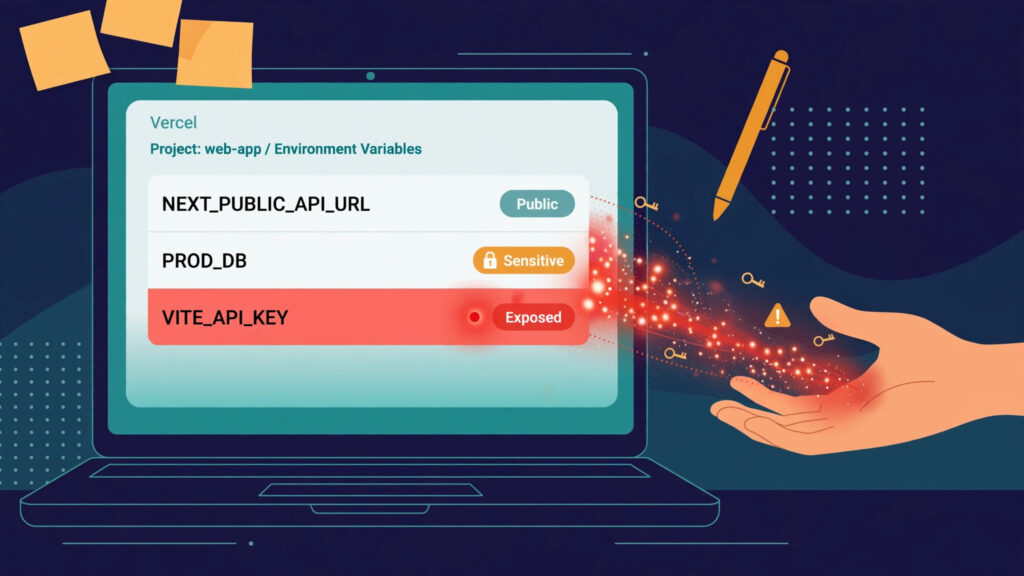
Marking a Vercel environment variable "Sensitive" does not make it secret. It makes it unreadable — to people, to the API and to the command line — after you save it. That is a real protection, and it is also a narrow one. It does nothing about the browser bundle, the build log, a preview […]
Bolt.new Security: Is Your Bolt App Safe to Launch?

Bolt.new is a safe place to build. The app it builds for you is not safe by default. That is the whole answer, and everything in this guide is the evidence for it and the fix list that follows from it. Bolt.new is StackBlitz's AI app builder. You describe an app, it writes the code, […]
Firebase Security Rules for Authenticated Users (Copy-Paste Examples)
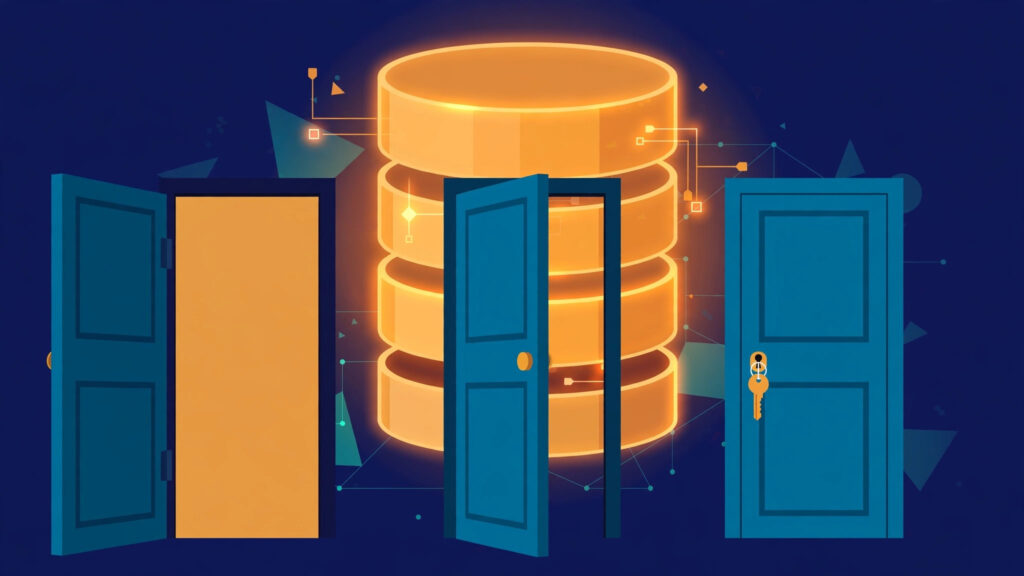
"Authenticated" is not the same as "authorised". That one distinction is the whole article. If your Firebase rules say request.auth != null, you have not limited access to the right people. You have limited it to anyone who can create a free account — including an anonymous account, which takes about ten seconds and no […]
How Secure Is Supabase? What’s Safe by Default and What Isn’t
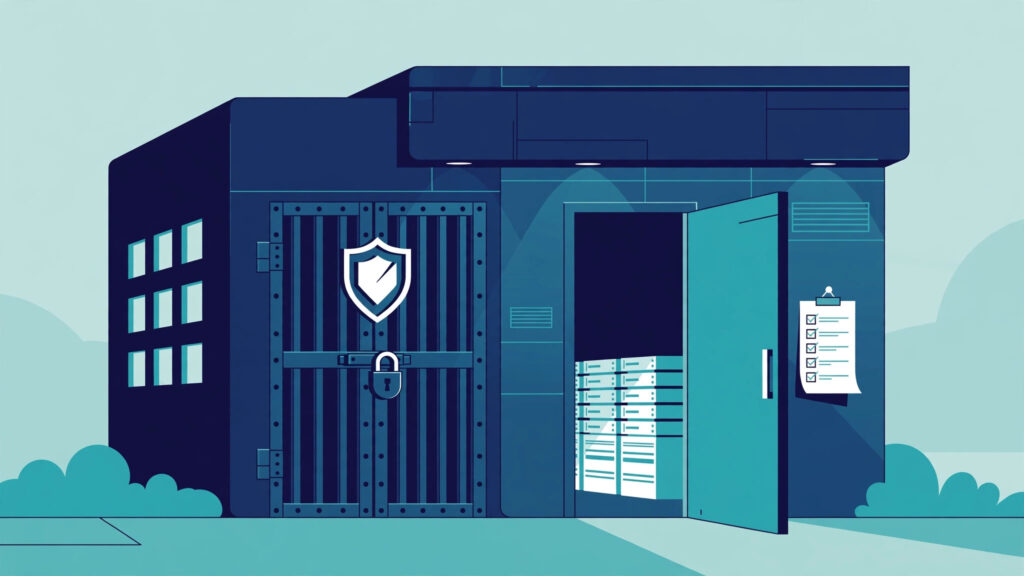
"How secure is Supabase?" is the wrong question, or rather it is two questions wearing one label. The first is about the platform: the company, its data centres, its audits. The second is about your project: the database, tables, keys and sign-in settings you control. Supabase answers the first one well. The second one is […]
How to Test Supabase RLS Policies (Free RLS Tester Options Compared)
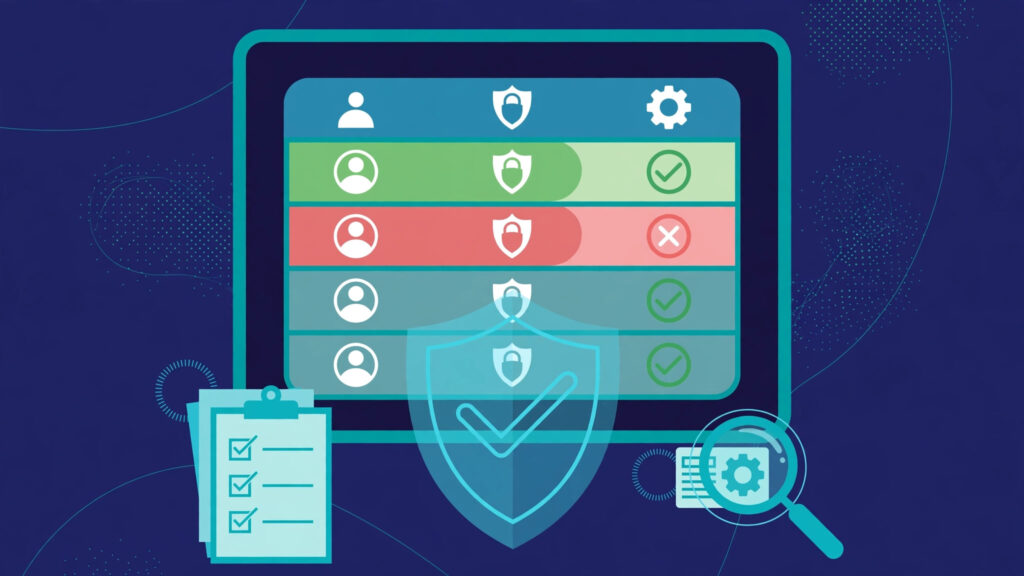
Row Level Security is the lock on your Supabase database. It decides which rows each person can read, add, change or delete. The trouble is that a policy can look right, sit in the right dashboard, and still leak — and nothing in the dashboard will tell you. The only way to know is to […]
How to Secure a Vibe-Coded App: A Non-Technical Founder’s Guide

You built an app by describing it to an AI tool — Lovable, Bolt, Replit, v0, Cursor or Claude Code — and it works. The screens look finished, the buttons do what you asked, and friends who tried it said it feels like a real product. That is exactly the moment to ask the question […]
Netlify “Exposed Secrets Detected”: How to Fix a Failed Build Safely

Your build failed, and the deploy log says a secret was detected. Nothing is live, nothing is broken for your visitors, and that is the point: Netlify stopped the deploy before the secret reached the public internet. The fix is not to turn the scan off and push again. It is to work out what […]
Lovable Security Issues: The 7 Mistakes We See Most Often
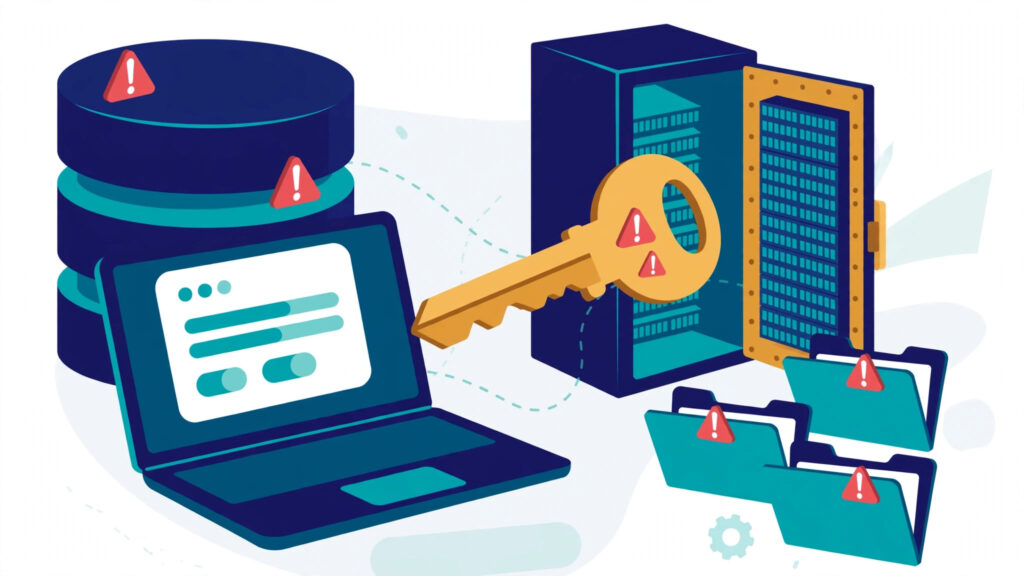
Lovable apps keep leaking the same way. In November 2026, the Hamburg security firm Crissy Field published a study of 159,041 Lovable projects and found personal data — passport numbers, payment records, more than 200,000 private chat messages — readable without logging in. Nobody hacked Lovable, and nobody hacked Supabase. The apps’ own database rules […]
Firebase Security Rules Auditor: How to Audit Your Rules for Free

Your Firebase API key is public by design, and that is fine. What decides who can read or change your users’ data is a short file you may never have looked at: your Firebase Security Rules. Auditing them means reading that file, checking it for the patterns that leak data, and then proving — with […]
“API Key Exposure Detected in Your Repository”: What the Alert Means and How to Clean Up
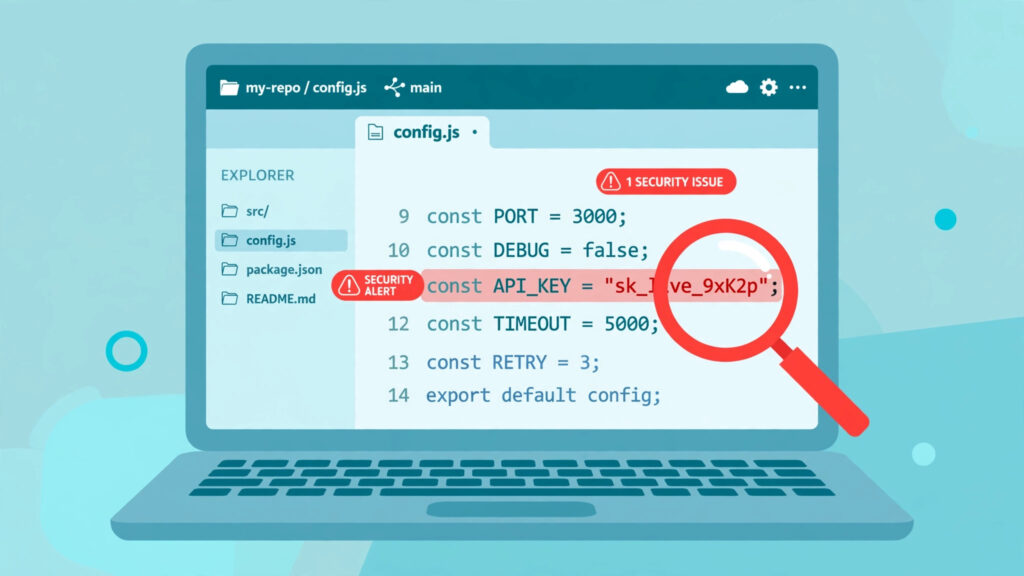
You got an alert: an API key was detected in your repository. The short answer is: treat the key as compromised, revoke it now, and read the alert properly before you do anything else. Deleting the file or the commit does not fix it. The key is still in your git history, in forks and […]